Toy dogs: puppy and junior
Toy dogs are small companion breeds bred mainly for company rather than work, and generally don't need much exercise. Several conditions — patellar luxation, dental disease and heart disease among them — turn up often enough in UK research to be worth an early, ongoing conversation with your vet.
Example breeds in this group: Cavalier King Charles Spaniel, Chihuahua, Yorkshire Terrier, Pomeranian, Bichon Frise.
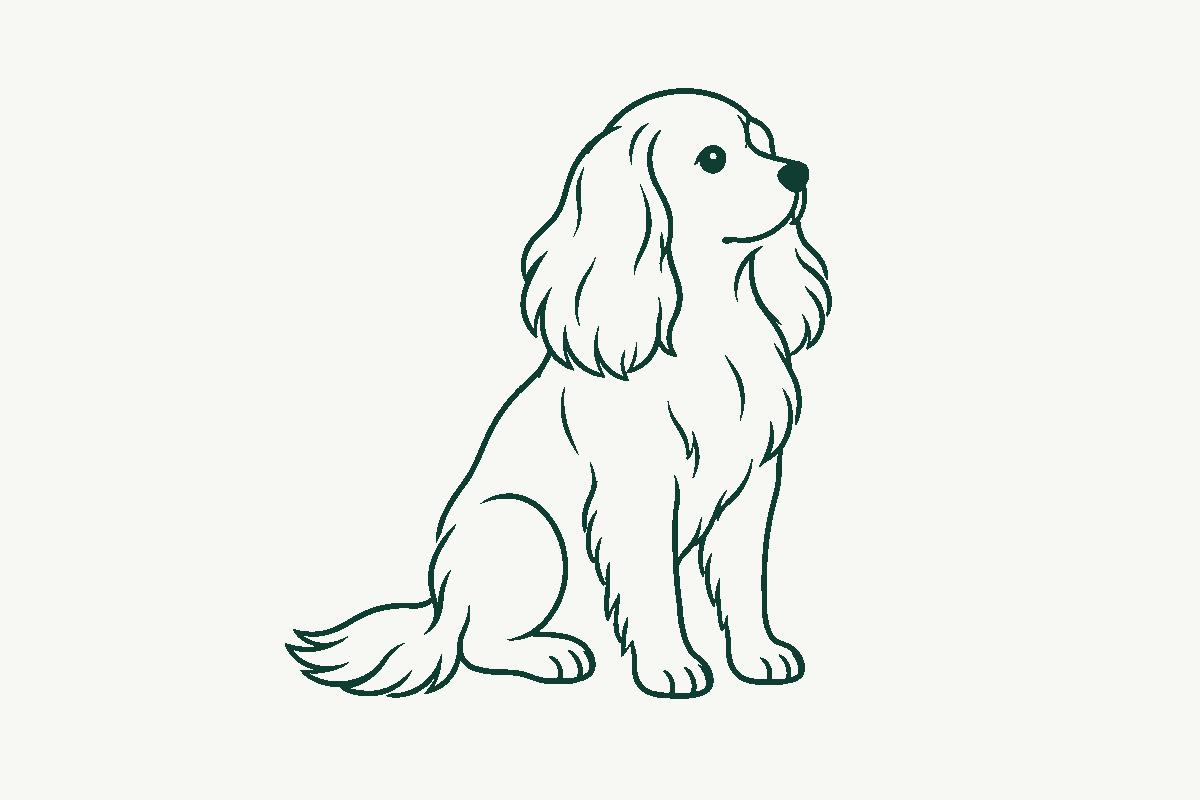
Toy puppies need the same careful socialisation as any dog, sized-down portions while they grow, and an early word with your vet about a joint condition that shows up often in this group.
-
In the first 16 weeks, a puppy is forming lasting impressions of people, animals and everyday sounds and sights — the Kennel Club recommends pleasant, supervised exposure to people, other animals, vets and everyday environments during this window.
Source: What is puppy socialisation?, The Kennel Club -
Small-breed puppies have smaller stomachs, teeth and jaws than larger dogs — the Kennel Club recommends size-appropriate portions and kibble, and feeding more frequently while they're still growing.
Source: Small dogs' diet, The Kennel Club -
UK primary-care research found several toy breeds at clearly increased odds of patellar luxation (a kneecap that slips out of place) compared with crossbred dogs — Pomeranian, Chihuahua, Yorkshire Terrier, Bichon Frise and Cavalier King Charles Spaniel were all named — worth asking your vet to check at a routine visit.
Source: The epidemiology of patellar luxation in dogs attending primary-care veterinary practices in England, Canine Genetics and Epidemiology (O'Neill et al.), 2016 -
The Kennel Club does not recognise "teacup" as a breed type, and warns that dogs bred to be as small as possible are more likely to have shorter lives and problems including fragile bones, joint disease, breathing difficulty and heart or stomach issues.
Source: Buying a teacup dog, The Kennel Club
Published information, not advice for your pet
Ask your vet.