Gundog dogs: puppy and junior
Gundogs were originally bred to find and retrieve game, and today make active, people-focused companions. Exercise, coat care and health needs vary widely across the group — from a Cocker Spaniel's daily brush to a Labrador's weekly one.
Example breeds in this group: Labrador Retriever, Golden Retriever, Cocker Spaniel, English Springer Spaniel, Hungarian Vizsla.
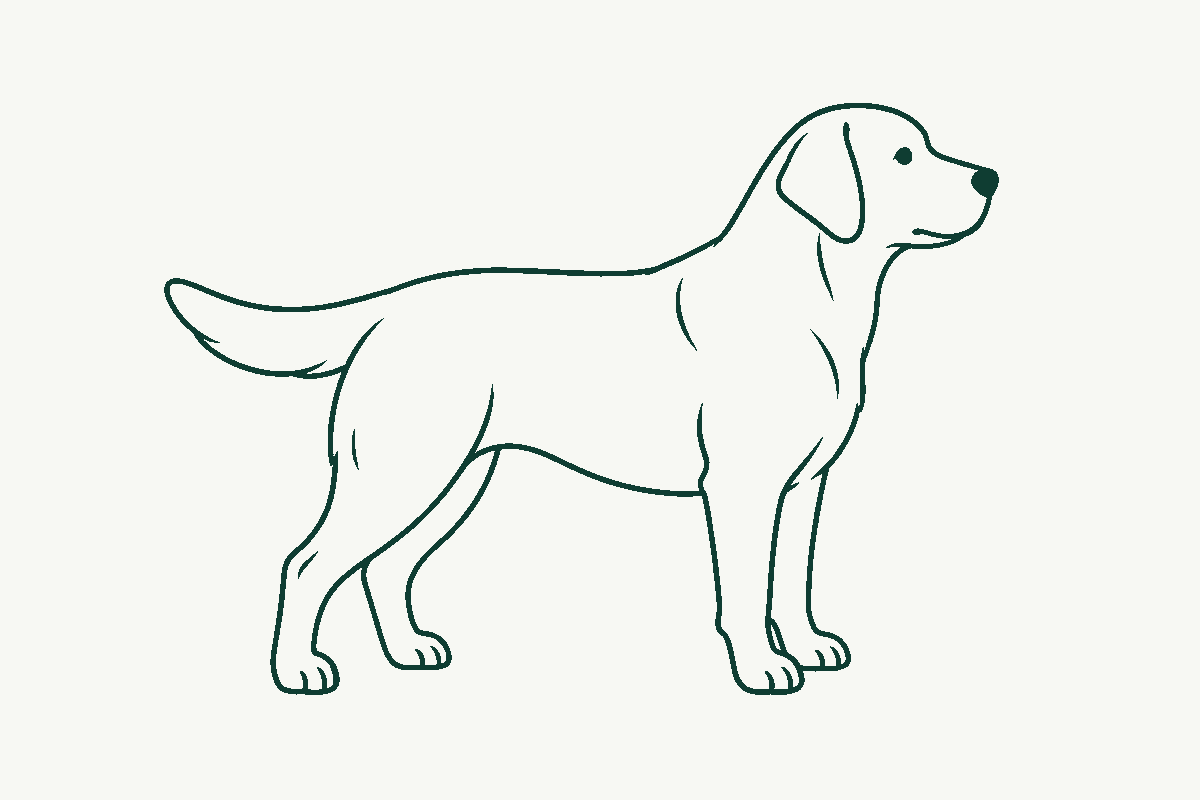
The first months set lasting habits — safe socialisation, gentle exercise while joints are still growing, and getting comfortable with handling.
-
In the first 16 weeks, a puppy is forming lasting impressions of people, animals and everyday sounds and sights — the Kennel Club recommends pleasant, supervised exposure to people, other animals, vets and traffic, alongside a training class covering recall, lead walking and accepting a veterinary exam.
Source: What is puppy socialisation?, The Kennel Club -
Socialisation can start safely before a puppy is fully vaccinated — Blue Cross advises keeping paws-on exploration to home and garden and avoiding dogs of unknown vaccination status, then checking timing for full outdoor access with your vet.
Source: Socialising your puppy, Blue Cross, 2016 -
Exercise should build up gradually while joints are still growing — PDSA says too much exercise too young can be as harmful as too little, and notes the well-known "five minutes per month of age" rule has very little evidence behind it, so the type of exercise matters more than the clock.
Source: Exercising your puppy, PDSA -
Ask about the parents' health screening before you bring a puppy home — BVA notes every breed carries some risk of inherited disease, citing higher rates of hip dysplasia in Labrador Retrievers and inherited eye disease in English Springer Spaniels as examples within this group.
Source: Getting started with health testing, BVA
Published information, not advice for your pet
Ask your vet.