Gundog dogs: senior
Gundogs were originally bred to find and retrieve game, and today make active, people-focused companions. Exercise, coat care and health needs vary widely across the group — from a Cocker Spaniel's daily brush to a Labrador's weekly one.
Example breeds in this group: Labrador Retriever, Golden Retriever, Cocker Spaniel, English Springer Spaniel, Hungarian Vizsla.
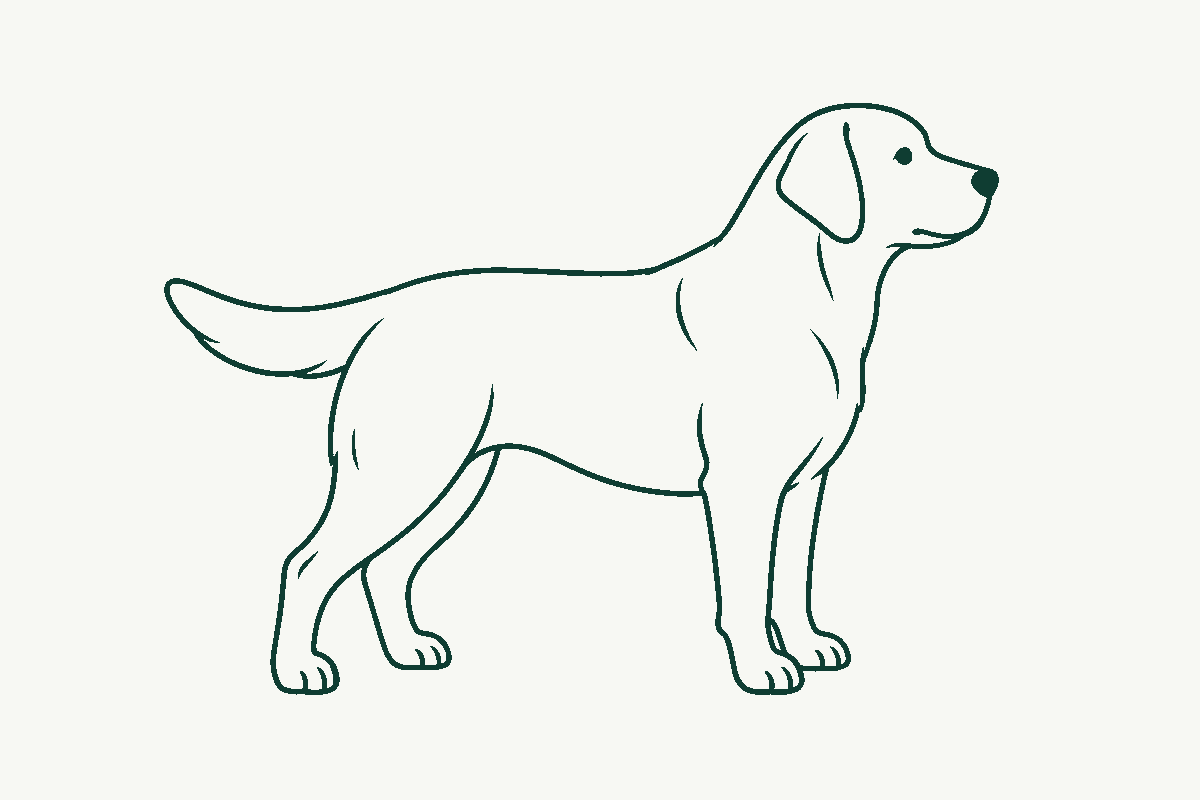
Most gundogs are considered senior from around seven, though this varies by size and breed — regular gentle exercise, a six-monthly check-in, and earlier eye and joint screening are the recurring published themes.
-
Dogs are, on average, considered senior from around seven years old, though this varies by breed and size — PDSA recommends keeping exercise regular and gentle rather than stopping, and always checking the right level with your vet.
Source: Exercising your senior dog, PDSA -
BSAVA's Ageing Canine Toolkit recommends working through a six-monthly checklist covering dental health, mobility, weight, behaviour and quality of life, so early signs are not dismissed as "just old age".
Source: The BSAVA PetSavers Ageing Canine Toolkit, BSAVA, 2023 -
BVA's Eye Scheme offers examination of dogs over eight years old at a reduced fee, since some inherited eye conditions — including generalised progressive retinal atrophy and hereditary cataract — are sometimes only picked up later in life.
Source: Why should we check the eyes of older dogs?, BVA, 2016 -
In UK research on Labrador Retrievers, the leading recorded cause of death was musculoskeletal disorder (median age 13.4) followed by cancer (median age 10.6) — a reminder to keep mobility and lump checks part of the senior routine.
Source: Labrador retrievers under primary veterinary care in the UK, Canine Genetics and Epidemiology (McGreevy et al.), 2018
Published information, not advice for your pet
Ask your vet.