Terrier dogs: puppy and junior
Terriers were originally bred to hunt vermin and are typically hardy, bold and small to medium in size — the Airedale is the group's large exception. Coat, exercise and known health themes vary a lot breed to breed within the group.
Example breeds in this group: Border Terrier, Jack Russell Terrier, Staffordshire Bull Terrier, West Highland White Terrier, Airedale Terrier.
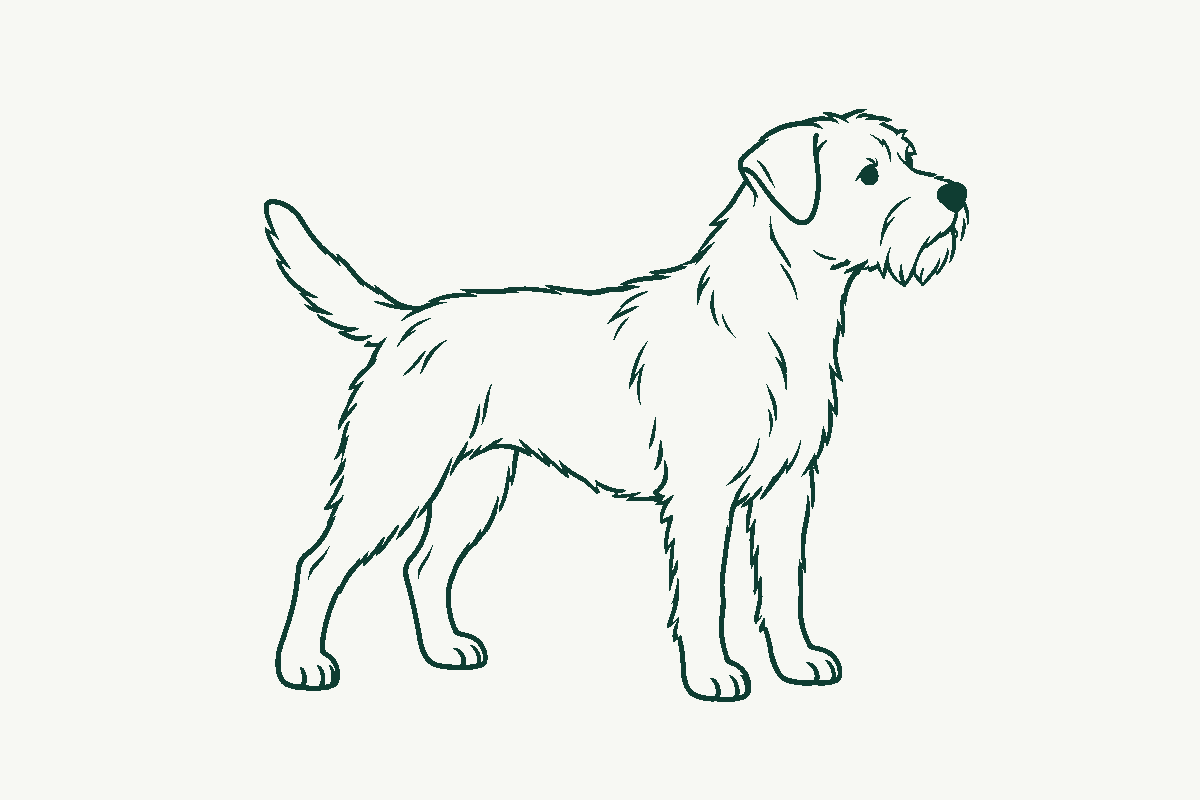
Early socialisation and slow, gentle exercise matter here as much as for any breed — plus an early look at an eye condition that turns up more often in terriers than in dogs generally.
-
In the first 16 weeks, a puppy is forming lasting impressions of people and everyday situations — the Kennel Club recommends pleasant, supervised contact with people, other dogs, vets and everyday environments during this window.
Source: What is puppy socialisation?, The Kennel Club -
There's very little evidence behind the well-known "five minutes of exercise per month of age" rule of thumb — PDSA warns that over-exercising while growth plates are still open can damage joints, so build up play, short walks and training gradually after vaccination.
Source: Exercising your puppy, PDSA -
Getting a puppy comfortable with brushing, and with having its mouth, eyes and paws checked, is best started early and kept little and often — the Kennel Club also recommends introducing tooth-brushing while a dog is still a puppy.
Source: How to groom my dog?, The Kennel Club -
Primary lens luxation — a painful dislocation of the lens inside the eye, usually appearing between three and eight years old — is documented in several terrier breeds and traced to a mutation shared across many terriers and terrier-related breeds; ask whether a DNA test is relevant for your dog.
Source: An ADAMTS17 splice donor site mutation in dogs with primary lens luxation, PubMed (Farias et al.), 2010
Published information, not advice for your pet
Ask your vet.