Terrier dogs: senior
Terriers were originally bred to hunt vermin and are typically hardy, bold and small to medium in size — the Airedale is the group's large exception. Coat, exercise and known health themes vary a lot breed to breed within the group.
Example breeds in this group: Border Terrier, Jack Russell Terrier, Staffordshire Bull Terrier, West Highland White Terrier, Airedale Terrier.
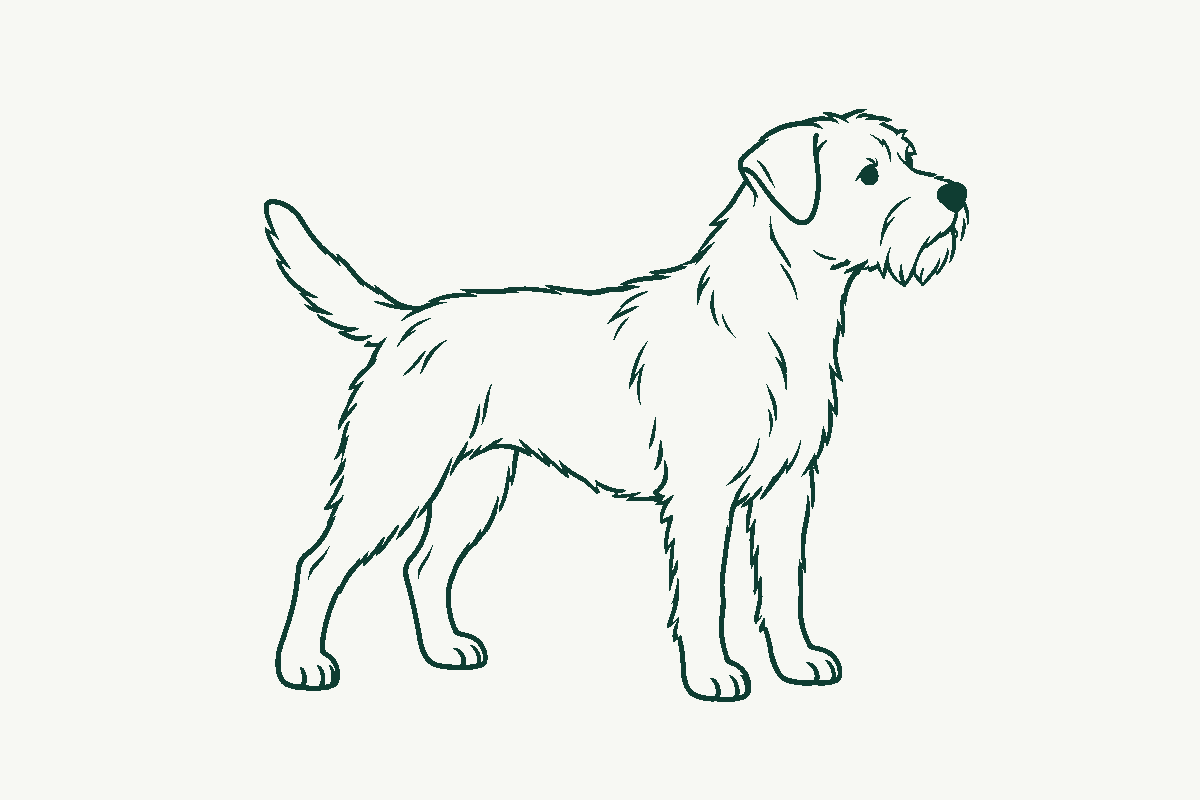
Smaller terriers are typically considered senior a little later than larger breeds, and a twice-yearly check plus a look at teeth, joints and weight are the published starting points.
-
BSAVA's Ageing Canine Toolkit puts smaller dogs (under about 22.7kg — most of this group) into the senior band at seven to ten years old, and larger dogs such as the Airedale a little earlier, at six to eight.
Source: The BSAVA PetSavers Ageing Canine Toolkit, BSAVA, 2023 -
The same toolkit recommends senior dogs have a health check at least twice a year and that owners work through its six-monthly checklist on dental health, mobility, weight, behaviour and quality of life, so changes are not dismissed as "just old age".
Source: The BSAVA PetSavers Ageing Canine Toolkit, BSAVA, 2023 -
BVA's Eye Scheme offers examination of dogs over eight at a reduced fee, covering age-related changes such as cataract and glaucoma as well as late-onset inherited conditions — relevant here since several terrier breeds are on the inherited eye disease list.
Source: Why should we check the eyes of older dogs?, BVA, 2016 -
A veterinary review describes canine idiopathic pulmonary fibrosis, a progressive lung disease, as a documented problem specifically in older West Highland White Terriers — one of several reasons a persistent cough or reduced exercise tolerance in an older terrier is worth a vet visit.
Source: Update on Canine Idiopathic Pulmonary Fibrosis in West Highland White Terriers, Veterinary Clinics of North America: Small Animal Practice (Laurila et al.), 2020
Published information, not advice for your pet
Ask your vet.