Working dogs: puppy and junior
The Working group covers guarding, rescue and draught breeds — mostly large to giant dogs bred for a physically demanding job. Many need well over two hours of exercise a day, and their size brings a recurring set of joint, heart and bloat-related themes worth discussing with a vet.
Example breeds in this group: Boxer, Rottweiler, Great Dane, Bernese Mountain Dog, Siberian Husky.
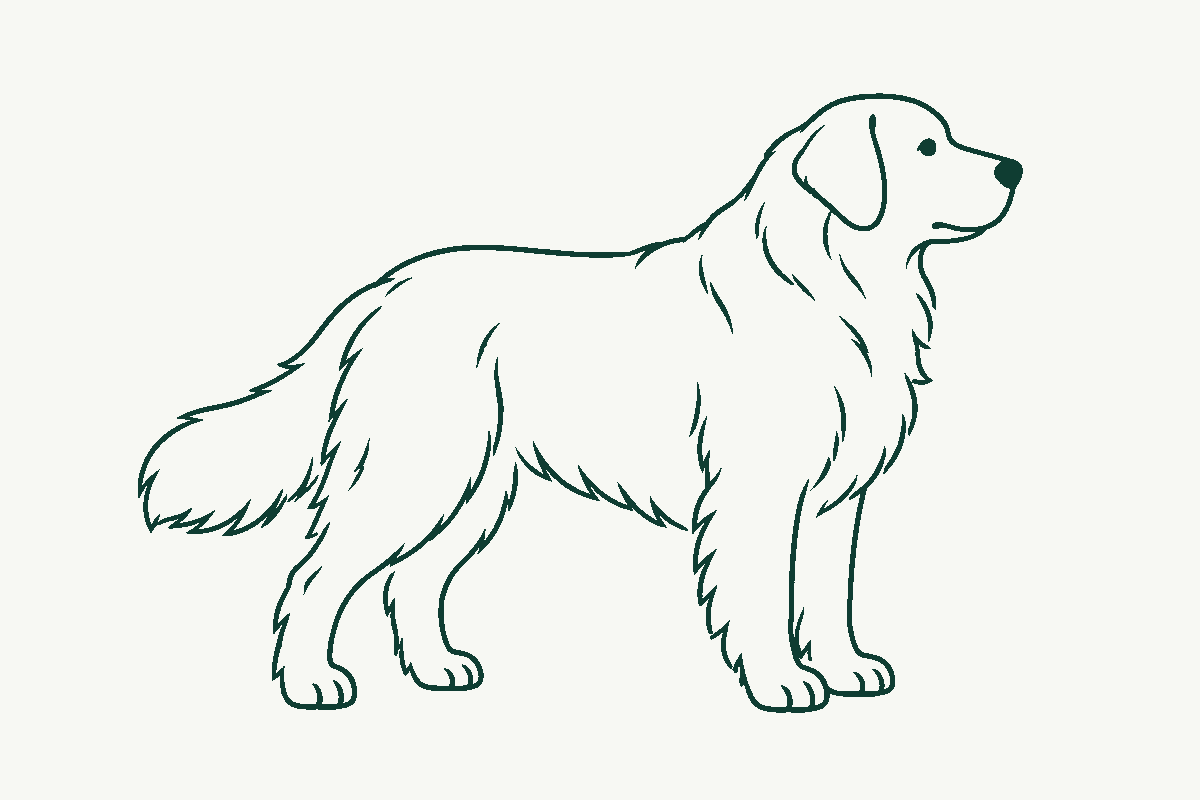
Working-breed puppies are mostly large or giant and grow fast — controlled exercise and an early conversation about hip and elbow screening matter more here than in smaller groups.
-
Hip dysplasia is more common in larger, faster-growing breeds — the Kennel Club names high-impact activity, stairs and excess weight during bone growth as documented risk factors worth managing while a puppy is still developing.
Source: Hip dysplasia in dogs, The Kennel Club -
The Kennel Club's rule of thumb is around five minutes of formal exercise per month of age, up to twice a day, until a dog is fully grown, avoiding stairs and high-impact play in the early weeks — and never exercising heavily on a full stomach, which is linked to bloat.
Source: Puppy and dog walking tips, The Kennel Club -
The Kennel Club describes the first 16 weeks as the period when puppies form lasting social learning, and specifically advises owners of working breeds to socialise them well to other dogs and unfamiliar people, channelling working instincts into toys and games instead.
Source: What is puppy socialisation?, The Kennel Club -
Hip and elbow screening schemes apply from 12 months old, but it's worth checking a puppy's parents were screened first — BVA names Bernese Mountain Dog, Dogue de Bordeaux, Great Dane, Newfoundland and Rottweiler among breeds commonly at risk of elbow dysplasia.
Source: BVA Elbow Dysplasia Scheme, BVA
Published information, not advice for your pet
Ask your vet.