Working dogs: senior
The Working group covers guarding, rescue and draught breeds — mostly large to giant dogs bred for a physically demanding job. Many need well over two hours of exercise a day, and their size brings a recurring set of joint, heart and bloat-related themes worth discussing with a vet.
Example breeds in this group: Boxer, Rottweiler, Great Dane, Bernese Mountain Dog, Siberian Husky.
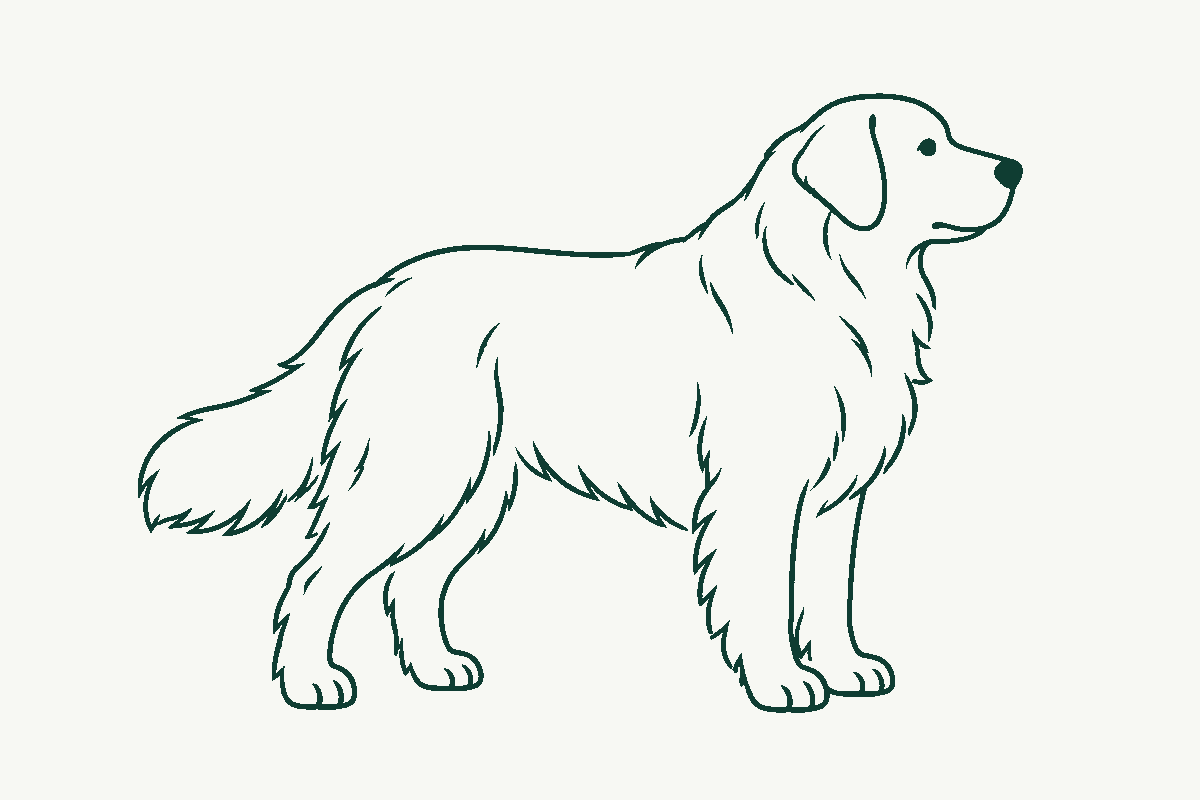
Many Working-group breeds are considered senior from around six to eight — earlier than smaller dogs — and vets typically recommend twice-yearly checks once a dog reaches that stage.
-
Several giant Working breeds have a published lifespan under 10 years, and the Kennel Club treats dogs of 26kg and over as benefiting from ageing nutritional support from age five and full senior support from age eight.
Source: Feeding your senior dog, The Kennel Club -
BSAVA-funded UK research found veterinary professionals most commonly recommend six-monthly checks for senior dogs, while owners often assumed once a year was enough — with slowing down, stiffness and dental tartar the changes most often wrongly written off as "just old age".
Source: New research highlights ageing dog healthcare needs, BSAVA, 2024 -
Osteoarthritis is very common in older dogs and larger breeds are more commonly affected — BSAVA identifies older age and higher body weight as key risk factors, and recommends steady daily exercise and weight control over sporadic strenuous activity.
Source: What are the risk factors for osteoarthritis in dogs?, BSAVA, 2024 -
Yearly heart screening is recommended for large breeds from age three onward and continuing through life, since dilated cardiomyopathy risk is ongoing — a useful anchor alongside the general senior themes of weight change, dental disease and lumps that the Kennel Club flags for any older dog.
Source: Screening for dilated cardiomyopathy in dogs, Journal of Veterinary Cardiology (Wess), 2022
Published information, not advice for your pet
Ask your vet.