Pastoral dogs: puppy and junior
Pastoral dogs were bred to herd livestock, from the small Shetland Sheepdog to the large German Shepherd Dog — most carry a weatherproof double coat and a strong need for mental work, not just exercise.
Example breeds in this group: German Shepherd Dog, Border Collie, Shetland Sheepdog, Australian Shepherd, Pembroke Welsh Corgi.
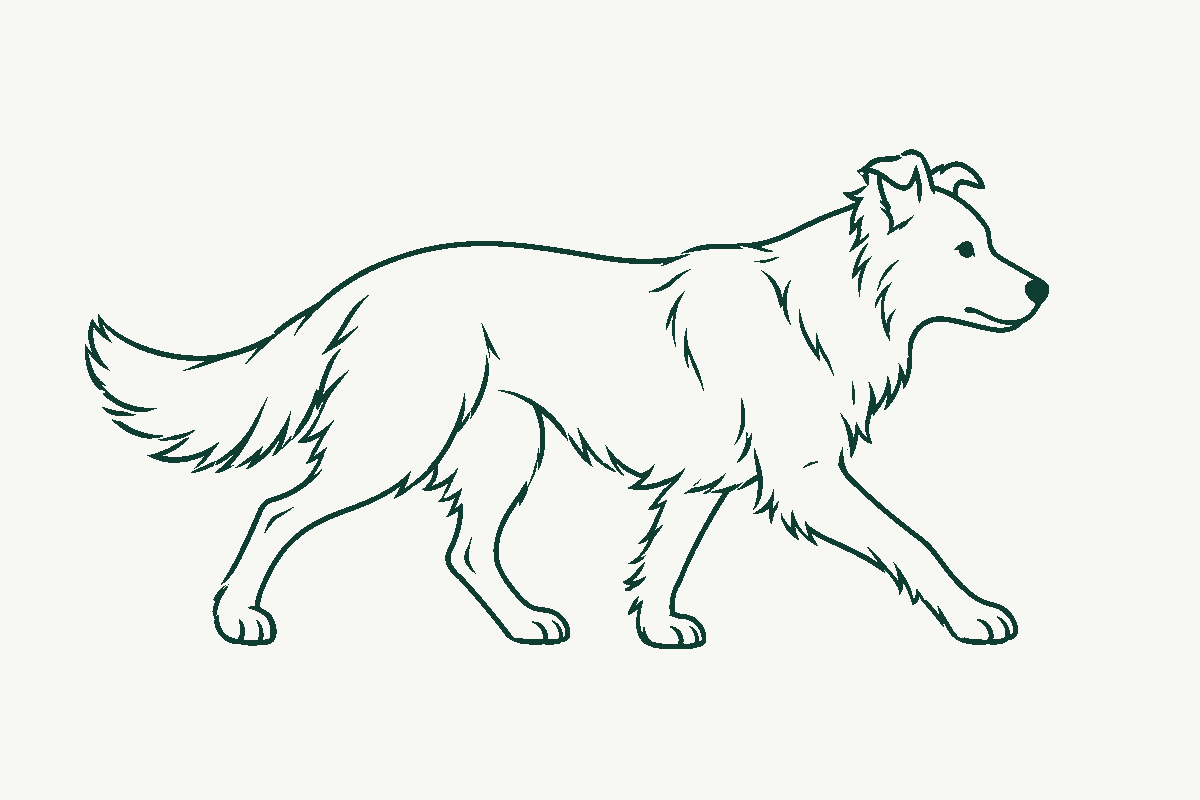
Herding-breed puppies need controlled exercise while growing, early coat handling, and — in several collie-line breeds — an early look at inherited eye conditions.
-
The Kennel Club's rule of thumb is around five minutes of formal exercise per month of age, up to twice a day, avoiding high-impact play, sharp turns and stairs until at least 12 weeks — and keeping puppies at a healthy weight, since overweight youngsters carry a higher risk of joint disease later.
Source: Puppy and dog walking tips, The Kennel Club -
Most Pastoral breeds carry a double coat — the Kennel Club says medium or long coats, including Border Collies, may need grooming as often as daily, and recommends starting puppies early with brushing and having their mouth, eyes and paws checked.
Source: How to groom my dog?, The Kennel Club -
Collie eye anomaly, an inherited eye condition, is documented in several collie-line Pastoral breeds — Border Collie, Rough Collie and Smooth Collie are on the official inherited eye disease list, with litter screening available from 5 to 12 weeks old.
Source: Known Inherited Ocular Diseases: breeds affected and type of disease, BVA / The Kennel Club / ISDS, 2026 -
Kennel Club rules block merle-to-merle breeding in several Pastoral breeds including Border Collie, Australian Shepherd and Shetland Sheepdog, because of the associated risk of vision and hearing problems in puppies — worth asking a breeder about if you're considering a merle-coloured puppy in this group.
Source: Border Collie | Breeds A to Z, The Kennel Club
Published information, not advice for your pet
Ask your vet.